

.png)
 healthyland-info@btu-center.com
 +38 067 568 64 96
 EN
 PL


Monilinia (brown rot / blossom blight) is one of the most insidious and widespread diseases of stone fruit crops, threatening future harvests every spring.
In this article, we will examine how to recognize the problem in time, what consequences it leads to, and finally, you will receive an expert protection scheme to ensure a healthy garden and an ecologically clean, safe harvest.|
What does it look like?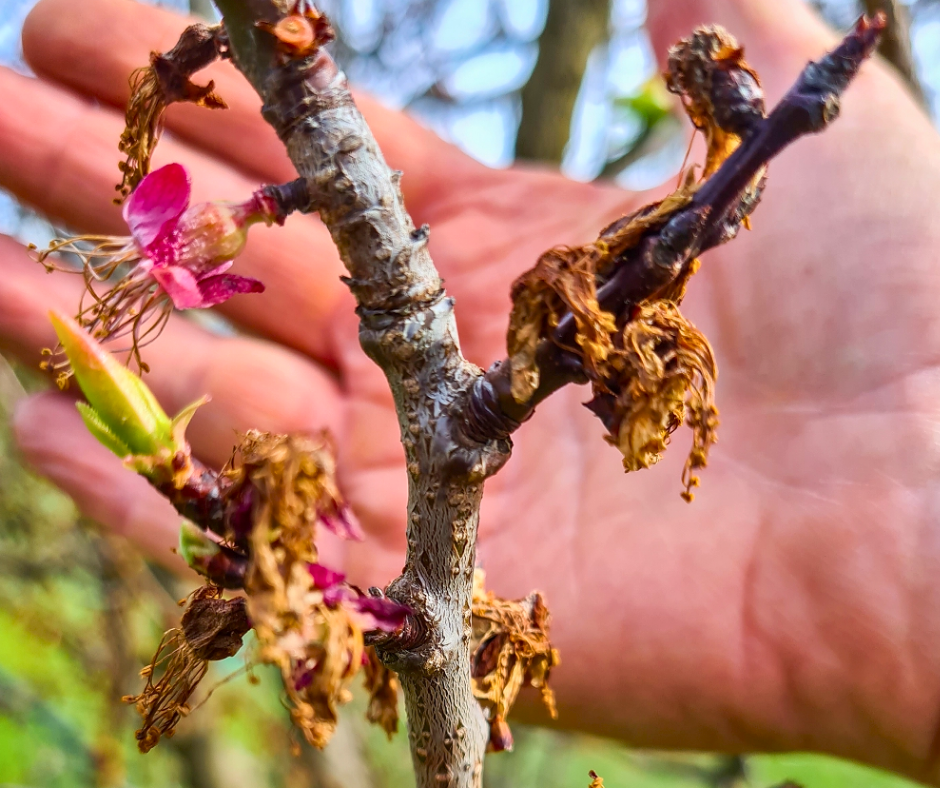
Inflorescences, leaves, and young shoots suddenly turn brown, wither, and dry out, but remain hanging on the tree, acquiring the appearance of being scorched by fire.
Cracks appear on the branches, from which a thick liquid — gum (gummosis) — oozes.
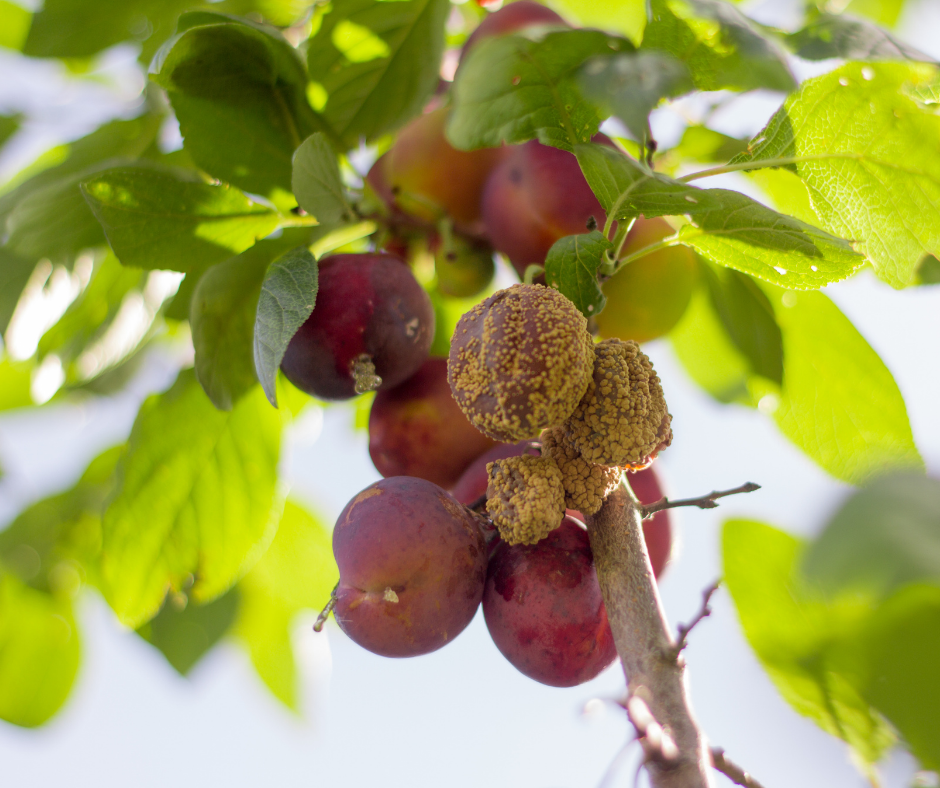
In summer, brown spots form on the berries, rapidly expanding and covering with small grayish spore cushions. The fruits wrinkle and dry out (mummify).
What are the consequences for the tree?
If measures are not taken in time, the pathogen penetrates deep into the wood. This leads to the dieback of skeletal branches, a significant decrease in the tree's immunity, loss of harvest, and in severe cases, the complete death of the tree.
And the first thing a gardener thinks when seeing such a terrible manifestation of the disease is that something strong from chemistry is urgently needed. But modern and experienced experts will tell you that there is a better solution than burning and killing everything with chemicals.
Unlike aggressive chemicals, biological products act gently and naturally. They do not destroy pathogens physically and do not exert a toxic effect on the environment.
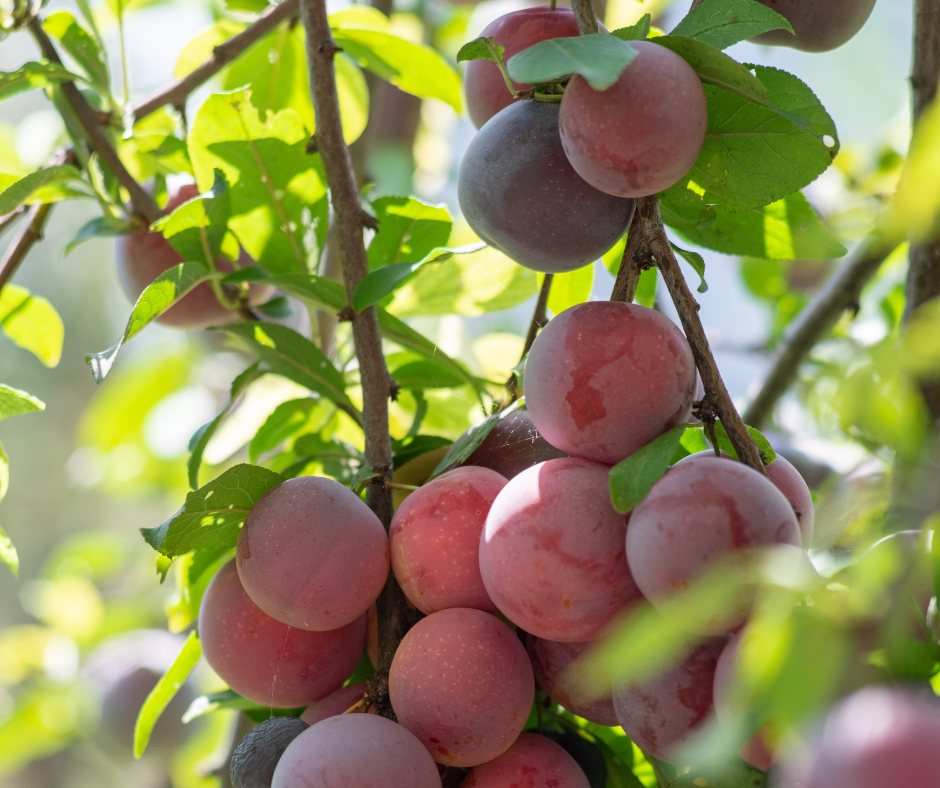
Mechanism of action of the biological method:
Beneficial bacteria and fungi (such as Bacillus subtilis and Trichoderma) massively colonize plant surfaces and soil during treatment. They occupy the ecological niche and create a dense living barrier. Pathogens simply have no space or nutrients left for development.
Beneficial microflora releases natural substances that inhibit and block the development and spread of the disease, giving the tree time and strength to recover.
And what about the affected plants and fruits?
Specialized biodestructors, such as Ecostern®, accelerate the natural decomposition of organic residues (fallen leaves, branches, mummified fruits) and turn them into valuable humus. Thus, they naturally remove the hotbeds and places where disease pathogens overwinter, improve soil fertility, and saturate it with beneficial bacteria that prevent the re-infection of plants in spring.
Ecological Scheme
For maximum efficiency, it is important to combine autumn and early spring garden cleanup with the systematic colonization of beneficial microflora. Before starting treatments, be sure to perform sanitary pruning: remove all affected branches, capturing 10–15 cm of healthy tissue, and burn them.
1. Autumn Destruction and decomposition of leaves 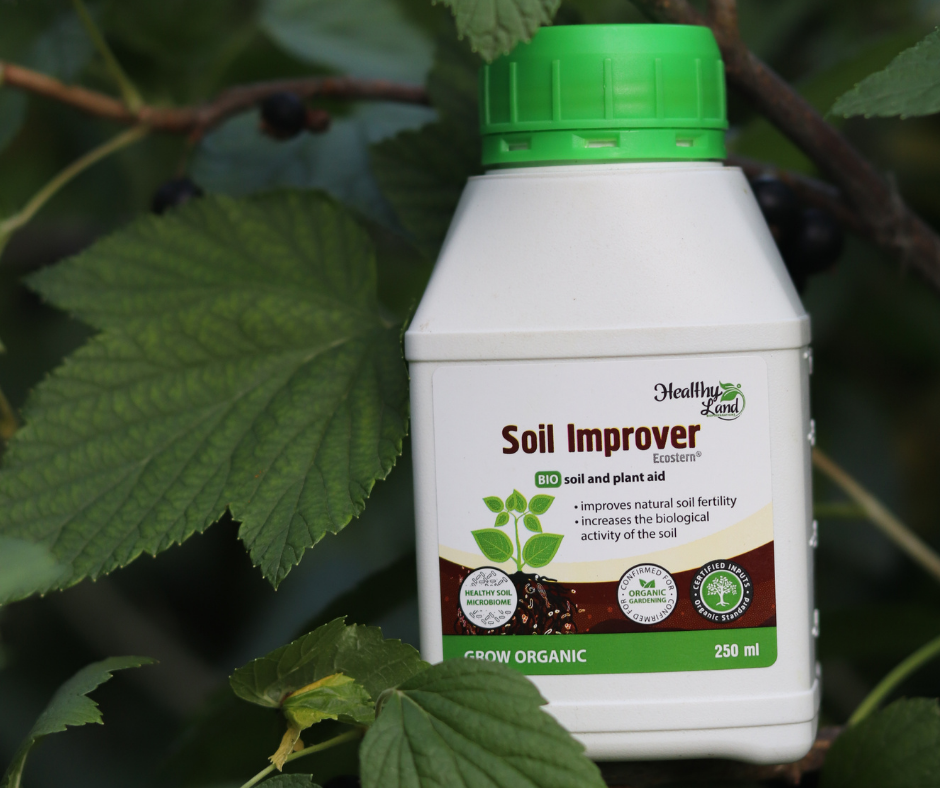
When: Autumn, the period after mass leaf fall (before the onset of stable frosts).
What we use: Classic Ecostern® Soil Improver (30–50 ml) + Liposam® (10 ml) + 10–20 g of nitrogen fertilizers (urea) per 10 l of water.
Consumption rate: 10 l of ready solution per 1–2 sotkas (100–200 m²) of tree trunk circles (spray directly over fallen leaves and soil).
Action: Nitrogen serves as starting nutrition for microorganisms. Liposam® reliably holds the complex on the surface of plant residues, preventing washing away by autumn rains. Ecostern® actively decomposes leaves, turning them into humus, destroys pathogen winter shelters, and colonizes the soil with beneficial microflora.
2. Early Spring Start (Intensive Counteraction)
When: Early spring, before bud break (on bare wood), at temperatures from +4 °C to +8 °C.
What we use: Copper sulfate 3% (300 g per 10 l of water).
Action: Helps clean bark cracks from overwintering spores. Copper temporarily suppresses all microflora, so biological products are not used at this stage.
IMPORTANT PAUSE: After copper sulfate, it is necessary to maintain a pause of at least 14 days (2 weeks). During this time, under the influence of sun and rains, copper is neutralized, and the tree becomes safe for the colonization of living beneficial bacteria.
 3. Bud Protection Before Flowering
When: «Pink bud» phase (at air temperatures from +8–10 °C, optimally — +15... +25 °C).
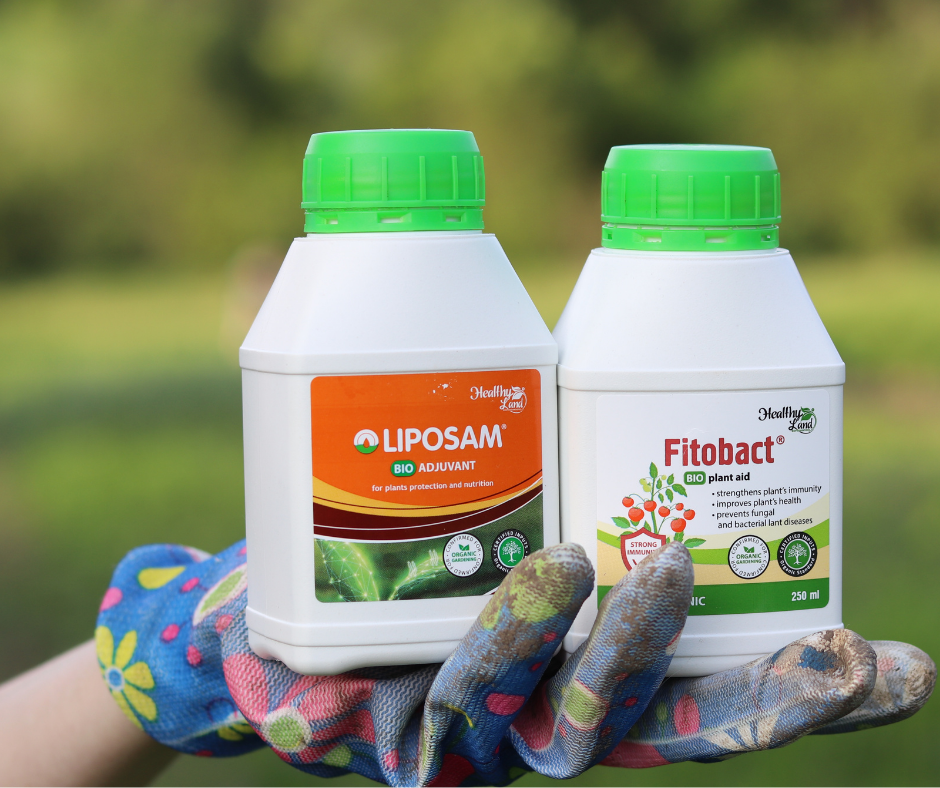
What we use: Fitobact® (10 ml) + biosticker Liposam® (10 ml) per 10 l of water.
Action: Bacteria create a reliable shield on flowers, preventing the pathogen from penetrating inside the future ovary.
4. Protection of Young Ovary After Flowering
When: Immediately after the fall of ~80% of petals (10–14 days after the previous treatment).
What we use: Mycohelp® (20 ml) + Liposam® (10 ml) per 10 l of water. (If the disease was severe last year, take a higher rate of 40 ml).
Action: Beneficial fungi of the genus Trichoderma colonize tissues and inhibit the spread of mycelium inside the branches.
5. Summer Protection of Berries (Ripening Period)
When: Fruit growth and filling (May-June).
What we use: Fitobact® (10 ml) + Liposam® (10 ml) per 10 l of water.
Frequency: Every 10–15 days. If the summer is very rainy and damp, and the disease pressure is high, it is better to shorten the interval between treatments to 10 days to colonize a larger number of microorganisms and strengthen the shield.
Useful Tips for Maximum Effect:
- Comfortable temperature: Remember that living microflora works most actively at temperatures of +10... +25 °C. If the temperature drops below +8 °C, microorganisms slow down work and enter a state of anabiosis (sleep), but restore their activity immediately with warming.
- Bacteria do not like the sun: All living cultures are sensitive to ultraviolet light. Spray with biological products exclusively in the evening (after sunset) or in cloudy weather.
- Biological products are completely non-toxic, so treatment can be carried out even 1 day before harvesting.
A healthy garden is a balance of nature that we can support with smart biotechnologies!


